The Maldives looks like a screensaver: 1,192 coral islands scattered across the Indian Ocean, each ringed by water so clear you can count the fish from your balcony. The good news? It's no longer only for honeymooners with unlimited budgets. Since local islands opened to tourism, you can experience those same lagoons for under $100 a day — or splurge on an overwater villa. Here's everything you need to plan it.
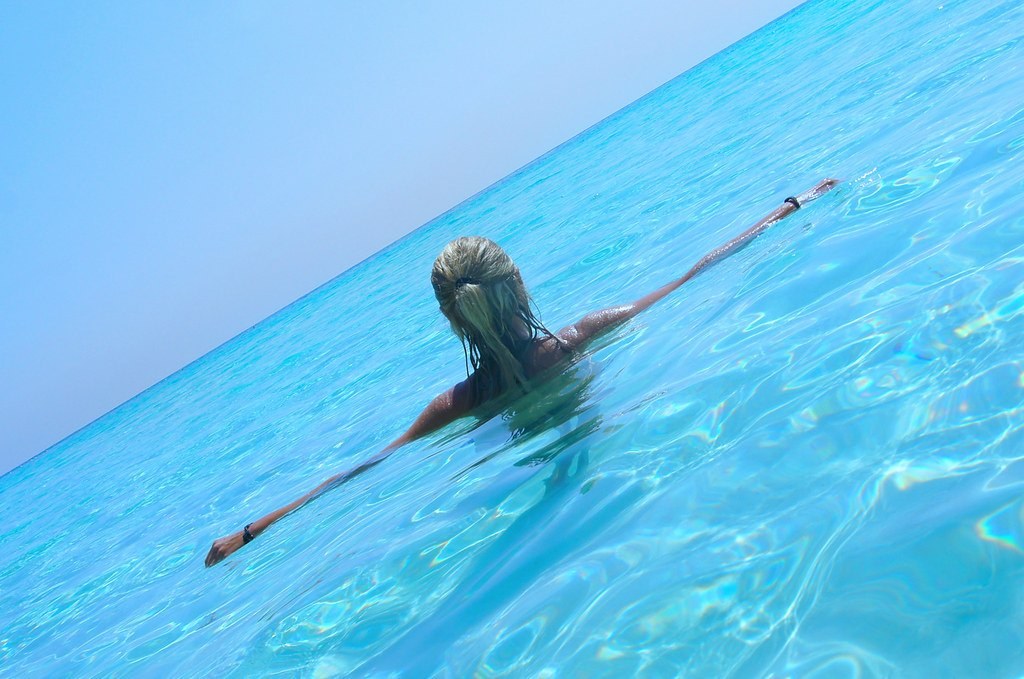
Best time to visit the Maldives
The dry season runs December to April: blue skies, calm seas, and the best underwater visibility — plus peak prices, especially over Christmas and New Year. The wet season (May to October) brings short afternoon downpours but also 30–50% lower room rates, and it's prime time for surfers. Sweet spots: November and April, when weather is still lovely and prices dip. Divers take note — manta rays and whale sharks gather at Hanifaru Bay in Baa Atoll from June to November.
If price drives the decision, target late April or early May, when resorts drop rates 30–40% but rain is still occasional rather than constant. Christmas through New Year is the opposite extreme: rates double, minimum stays of five to seven nights appear, and seaplane transfers book solid weeks ahead. Surfers should aim for March to October, when consistent swell hits the breaks near Thulusdhoo — locals call them Cokes and Chickens — and boat charters to them cost $30–50.
Resort island or local island?
The Maldives works on a one-island-one-resort model: private islands where your villa, restaurants, and house reef are steps apart, and bliss is total but so is the bill. Local islands like Maafushi, Dhigurah, and Thulusdhoo are inhabited communities with guesthouses from $50–90 a night, letting you snorkel the same turquoise water at a tenth of the cost. The trade-offs: no alcohol on local islands (it's a Muslim country), and swimwear is limited to designated "bikini beaches." Many travelers split the difference — four nights local, two nights resort.
On Maafushi, guesthouses in the $60–80 range serve rooftop breakfasts two minutes from the bikini beach, and day passes to nearby resorts run $50–100 including lunch and pool access — a smart way to taste the resort life without the resort bill. Dhigurah suits travelers who want quiet: one road, one three-kilometer beach, whale sharks offshore. Thulusdhoo adds surf culture and, improbably, a Coca-Cola factory to the postcard.
READ MORE: The Most Beautiful Islands in the World
How much does a Maldives trip cost?
Realistic daily budgets per person: local island travel $70–120 (guesthouse, meals, one excursion), mid-range resort $250–400, and luxury resorts $600–1,500+ for the famous overwater villas. The hidden cost is transfers: speedboats run $25–60 each way to nearby atolls, while seaplane transfers to far-flung resorts cost $250–500 round trip. Resorts also add a 10% service charge and 16% tax to everything, so check whether quotes include them.
A sample week for two on Maafushi: $455 for seven guesthouse nights, $50 in speedboat transfers, $250 on meals, and $200 on excursions — roughly $480 per person on the ground. The same week at a mid-range resort lands closer to $2,500 per person once transfers, taxes, and drinks join the bill. Whichever route you take, price the whole trip in writing before booking; the gap between the quoted rate and the checkout total here is famous.
Getting there and around
All flights land at Velana International Airport (MLE) beside the capital, Malé. From there, public ferries reach local islands for as little as $2–5 — the ferry to Maafushi takes about 90 minutes — while scheduled speedboats cost $25–30 and cut the time in half. Resorts arrange their own speedboat or seaplane transfers; seaplanes only fly in daylight, so a late arrival may mean an airport-hotel night in Hulhumalé (about $60–80).
Ferry logistics reward a little planning: the Maafushi public ferry leaves Malé's Villingili terminal around 3pm most days but never on Fridays, so cross-check the schedule with your guesthouse before locking in flights. Speedboats run several times daily, and guesthouses reserve seats for a dollar or two less than walk-up rates. If you do land late, Hulhumalé's beachfront hotels sit ten minutes from the terminal by taxi ($5–7), and the morning boats leave from the same jetty area.
Where to stay for every budget
Budget: Maafushi is the local-island classic, with dozens of guesthouses, sandbank trips, and easy ferry access. Quieter budget pick: Dhigurah in South Ari Atoll, a three-kilometer beach famous for year-round whale sharks. Mid-range: smaller resorts in South Malé Atoll often sell beach-villa packages with breakfast for $250–350 a night for two. Luxury: Baa and Ari Atoll resorts deliver the postcard overwater villa — book 6–9 months ahead and travel in shoulder season to shave hundreds off the nightly rate.
Names help when you're scanning the map: on Maafushi, the guesthouse cluster at the bikini-beach end of the island saves a daily walk with towels and snorkels. In South Ari, weigh Dhigurah against neighboring Dhangethi for whale-shark access at guesthouse prices. And tiny Fulidhoo, two ferry hops from Malé, is the pick for travelers who want a 400-person island where nurse sharks and stingrays cruise the jetty at dusk — rooms there run $55–75 with breakfast.
READ MORE: Cheap Tropical Vacations That Feel Luxe
What to do besides lie in paradise
Snorkeling excursions to manta points and turtle reefs cost $30–60 from local islands; two-tank dives run $100–140. Sandbank picnics — just you, white sand, and open ocean — are around $50. Night fishing trips with a barbecue after cost $35–45. And on moonless nights, some beaches (famously Vaadhoo) glow with bioluminescent plankton, a bucket-list sight that costs nothing. If you're weighing other paradise options first, browse the world's most beautiful islands for comparison.
Excursion prices drop when you join as a pair or group, so recruit companions at breakfast — most guesthouses pin the week's trips to a board with per-person rates. A typical half-day snorkel safari hits three sites: a turtle point, a coral garden, and a shipwreck or manta cleaning station. Divers should ask about Maaya Thila and Fish Head, two of Ari Atoll's most storied sites; a two-dive boat trip runs $110–140 with gear included.
Know before you go
The Maldives runs on US dollars almost as smoothly as its own rufiyaa, and cards are accepted at resorts and most guesthouses — but carry small bills for local ferries and tips. Wi-Fi is decent, tap water isn't (guesthouses provide bottled), and Fridays are the local holy day, when ferries thin out and shops close until afternoon. Pack reef-safe sunscreen, a rash guard, and your own snorkel mask if you're picky about fit. Most nationalities get a free 30-day visa on arrival, making this one of the easiest far-flung trips to actually book.
A few practical numbers to land with: a tourist SIM with generous data costs about $30 at the airport arrivals hall, dinner at a local-island cafe runs $6–12, and laundry services charge $5–8 a load. Power sockets are UK-style three-pin, so pack one adapter. Download an offline map before you board any ferry — signal fades between atolls, though it returns near every inhabited island — and keep your transfer operator's number saved rather than memorized.
A realistic 5-day budget version
Fly into Malé, speedboat to Maafushi ($25), and take a guesthouse with breakfast ($65 a night). Day two: sandbank and snorkeling tour ($45). Day three: ferry to a resort's day-pass beach or a spa day. Day four: whale-shark trip to South Ari Atoll ($90). Day five: return and explore Malé's fish market before your flight. Total on the ground: roughly $500–600 per person — proof the Maldives belongs on any list of achievable cheap tropical vacations, not just honeymoon boards. Island-hoppers can even pair it with a week in Bali, a short hop across the Indian Ocean.
Timing makes this budget work: book for late April, May, or November and those guesthouse rates drop another $10–15 a night. Watch flights with fare alerts, too — Malé shows up in sale fares from many hubs at $600–800 round trip, and the difference between a $700 ticket and an $1,100 one funds every excursion on this list. Five nights also means packing carry-on only, which dodges budget-airline bag fees in both directions.
Common mistakes to avoid in the Maldives
A Maldives trip has a few traps that catch even experienced travelers, mostly because the country works differently from anywhere else.
- Booking flights and transfers without checking times. Seaplanes stop flying at dusk. Land after about 3:30pm and you may be buying a night in Hulhumalé ($60–80) you didn't plan for.
- Ignoring the 10% service charge and 16% tax. That $500 villa is $630 at checkout. Always ask whether a quote is "plus plus" before you commit.
- Packing alcohol. It's confiscated at the airport, even sealed duty-free bottles. Resorts serve it; local islands never do.
- Underestimating the sun. You're one degree from the equator. A rash guard and reef-safe sunscreen — bring it, a bottle costs $25+ in resort shops — will save your first three days.
- Booking a full week on one island sight unseen. Even paradise develops a sameness by day five. Split your stay: two islands, two moods.
What to pack for the Maldives
Less than almost any other trip — the daily dress code is swimwear, cover-ups, and one nicer outfit for dinner. The items that actually matter: your own snorkel mask if fit bothers you (guesthouse rentals are free but well-used), reef shoes for rocky lagoon entries, a dry bag for boat trips ($15 buys peace of mind for your phone), and modest clothing that covers shoulders and knees for walking around local islands — a light sarong does double duty. Divers should pack certification cards; photographers, a polarizing filter, because the water really is that color and cameras don't believe it. Everything fits in a carry-on with room to spare, and our ultimate packing list covers the boring essentials.
Who the Maldives actually suits
Honeymooners, obviously — but the one-island-one-resort model serves far more travelers than the marketing suggests. Families do well at resorts with kids' clubs and shallow house reefs (Ari Atoll has several), where children snorkel alongside reef sharks the size of house cats. Divers should book guesthouses on Dhigurah or Fulidhoo and spend the villa money on dives instead. Solo travelers are the surprise winner on local islands: guesthouse owners fold you into group excursions, and Maafushi's traveler scene is genuinely sociable. The one group that struggles: restless travelers who need museums, nightlife, and a new neighborhood every day. The Maldives is about doing beautiful nothing, slowly.
Budget honeymooners can split the difference too: five guesthouse nights on Dhigurah followed by two in a resort villa buys the same lagoons, the same sunsets, and one unforgettable splurge for roughly $1,500 per person including transfers. And if you're still choosing between paradises, our most beautiful islands roundup sets the Maldives beside its rivals — Bora Bora, Palawan, the Seychelles — for an honest side-by-side on cost and effort.
Frequently asked questions
Is the Maldives safe?
Very. Crime against tourists is rare, resorts are private islands with controlled access, and local islands are small communities where everyone knows everyone. The real risks are sunburn, dehydration, and currents — always ask your guesthouse where it's safe to swim before heading out alone.
Do I need cash?
Bring $200–300 in small US bills. Cards work at resorts and most guesthouses, but ferries, market stalls, and tips run on cash, and ATMs in Malé charge $5–7 per withdrawal.
Can I visit during Ramadan?
Yes — resorts run completely normally. On local islands, cafes close during daylight hours and excursion schedules shrink, though guesthouses still serve their tourists discreetly. If your trip is guesthouse-based, check the dates before booking.
Is the Wi-Fi good enough to work remotely?
On resorts and the bigger local islands, yes — most guesthouses have fast connections, and a tourist SIM with generous data costs about $30 at the airport. Just check your time zone math: the Maldives runs GMT+5, which makes calls with the Americas painful.
Can I island-hop between local islands?
Yes, and it's one of the great underrated Maldives trips. Public ferries link Malé with inhabited islands for $2–5 a leg, and the Maafushi–Gulhi–Fulidhoo corridor makes an easy multi-island week without a single seaplane. Just plan around Fridays, when ferries thin out, and confirm schedules with your guesthouse — timetables here are more tradition than published fact.
How many days is enough?
Five to seven. Fewer and the long-haul flight outweighs the reward; more and even the world's best beach starts to feel like a beautiful waiting room — unless you're diving, in which case stay as long as your budget holds.