Here's a secret the travel industry doesn't advertise: in huge parts of the world, $30 buys you a comfortable bed, three delicious meals, and a day of adventures — with change left over. These 10 countries offer the best value on the planet right now, with realistic daily budgets for a comfortable backpacker-to-midrange style of travel. Pick one, and your savings will go three times further than they would in Western Europe. The budgets below assume street food and local restaurants, guesthouses or hostels, and public transport — solo travelers should add a few dollars a day for rooms, and couples splitting costs can subtract a few.
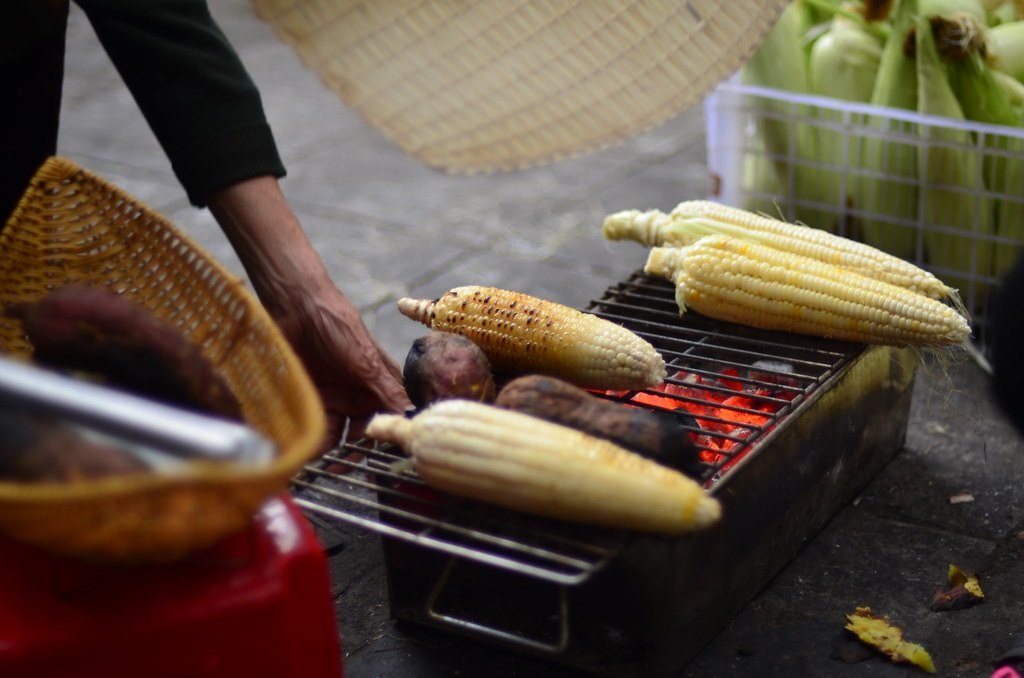
1. Vietnam — $25–35 a day
Vietnam might be the best value destination on Earth. A fresh banh mi costs $1, a steaming bowl of pho is $1.50–2, and a clean private room with air conditioning runs $12–18. Sleeper buses connect Hanoi to Hoi An for around $20, and a motorbike rental is $6–8 a day. Even a cruise through Ha Long Bay can be done for under $100.
Route matters here: fly into Hanoi, work south through Ninh Binh, Hue, and Hoi An, and fly out of Ho Chi Minh City so you never backtrack. Budget $10–15 for a tailor-made shirt in Hoi An, $3 for an egg coffee overlooking Hanoi's Hoan Kiem Lake, and see our full Vietnam budget guide for a day-by-day cost breakdown.
2. Laos — $25–30 a day
Slower and quieter than its neighbors, Laos rewards travelers who linger. In Luang Prabang, guesthouses start at $12, the night market feeds you for $2–3, and entry to the turquoise Kuang Si Falls is about $2.50. The two-day slow boat down the Mekong from the Thai border costs roughly $35 and is an adventure in itself.
Wake early once for the 5:30am alms-giving procession, then climb Mount Phousi ($2) for sunrise over the Mekong. In Vang Vieng, hot-air balloon flights run $90–110 — among the cheapest anywhere on Earth — and entry to the Blue Lagoon is about $1. The Laos–China railway now links Vientiane to Luang Prabang in two hours for around $15, replacing a ten-hour mountain bus.
READ MORE: How to Travel on $30 a Day
3. Cambodia — $25–35 a day
Angkor Wat's $37 day pass is the splurge — everything else in Cambodia is wonderfully cheap. Hostel beds in Siem Reap go for $5–8, a plate of fish amok costs $3–4, and tuk-tuk drivers will chauffeur you around the temples all day for $15–20. The islands of Koh Rong offer $20 beach bungalows that would cost $200 elsewhere.
If temples are your reason for coming, buy the three-day Angkor pass ($62) instead — dawn at Angkor Wat, the stone faces of the Bayon, and the tree-strangled corridors of Ta Prohm deserve more than one sweaty day. In Phnom Penh, riverfront guesthouses run $10–15, and the sobering Tuol Sleng museum ($10 with the excellent audio guide) is essential context for everything else you'll see.
4. India — $20–30 a day
India is the ultimate budget destination. A thali (an all-you-can-eat platter of curries, rice, and bread) costs $1.50–3, guesthouses run $8–15, and an overnight train across half the country in an AC sleeper is $10–15. Rajasthan's palace cities, Kerala's backwaters, and the Himalayan north all fit the same tiny budget.
Book trains on the official IRCTC app a few days ahead — popular routes genuinely sell out — and treat the $2 chai-and-samosa platform economy as part of the show. In Jaipur, a heritage haveli room with painted ceilings costs $15–20; in Kerala, a village canoe tour through the backwaters runs $10–15 versus $80+ for a private houseboat. Our India budget guide maps the whole country in detail.
5. Nepal — $25–35 a day
Kathmandu guesthouses start around $10, and dal bhat — the endlessly refillable national dish — costs $2–4. The real magic: teahouse trekking. On the Annapurna or Langtang trails, $25–30 a day covers your lodge, three hot meals, and some of the best mountain views on the planet. No luxury tour required.
Permits are the only paperwork: the Annapurna region requires the ACAP permit (about $23) plus a TIMS card (around $15), both issued in Kathmandu or Pokhara within an hour. Pokhara itself deserves three lazy days — lakeside guesthouses run $10–15, a rowboat on Phewa Lake costs $5, and the dawn taxi up to Sarangkot's Himalayan viewpoint splits four ways at about $4 each.
READ MORE: 15 Budget Travel Hacks That Save Real Money
6. Georgia — $30–40 a day
The country, not the state — and one of Europe's best-kept budget secrets. In Tbilisi, a feast of khinkali dumplings and khachapuri cheese bread costs $5–8 with wine, guesthouses run $20–25, and marshrutka minibuses reach the Caucasus mountains for a few dollars. Kazbegi's church-under-a-glacier view costs nothing at all.
Wine country is the cheap luxury here: marshrutkas reach Sighnaghi in the Kakheti region for about $5, family wineries pour qvevri tastings for $5–10, and guesthouse tables groan under $10 feasts. Back in Tbilisi, soak in the domed sulfur baths of Abanotubani — private rooms start around $15–20 an hour — and ride the cable car up to Narikala Fortress for roughly a dollar.
7. Albania — $30–40 a day
Albania's riviera looks like Greece did thirty years ago — and costs like it too. Beach towns like Himarë and Ksamil offer seafront rooms for $25–35, a seafood dinner for $8–10, and a byrek pastry breakfast for $1. It pairs beautifully with the other hidden gems in Europe along the Adriatic.
June and September are the sweet spot — the same Ksamil seafront room that costs $35 in early June hits $90 in August. Base yourself in Sarandë for the riviera, day-trip to the UNESCO stone city of Gjirokastër ($6 by bus), and don't skip the Blue Eye spring ($2 entry). Furgon minibuses link everything for $3–8; just confirm departure times locally, because printed schedules are folklore.
8. Mexico — $35–45 a day
Skip the resort zones and Mexico becomes a bargain. In Oaxaca or Mérida, street tacos cost $1, a comida corrida set lunch is $4–5, and charming guesthouses run $25–35. First-class ADO buses are comfortable and cheap, and many of the country's best experiences — markets, plazas, beaches — are free.
Give Mexico City three days minimum: the Anthropology Museum's $5 entry is the best museum deal in the Americas, and tacos al pastor at street stands run about $1 apiece. In Oaxaca, the food scene peaks inside the 20 de Noviembre market, where a smoky grilled-meat lunch costs $5. For beaches, skip Cancún's hotel zone for Bacalar or Isla Holbox, where waterfront cabañas go for $30–40.
9. Bolivia — $25–35 a day
South America's cheapest country delivers its most surreal landscape: the Salar de Uyuni salt flats, where a three-day 4x4 tour with meals and lodging costs $150–200 total. Everywhere else, set lunches are $2–3, hostels $7–10, and the dizzying cable-car network over La Paz costs about 40 cents a ride.
Book the Uyuni tour in town rather than online — the agencies clustered near the plaza sell the identical three-day loop for $30–50 less than web rates, and you can inspect the 4x4 and meet the driver first. Acclimatize for a couple of days in lower-altitude Sucre ($8 hostels, $2 market lunches) before tackling La Paz at 12,000 feet, and hoard small bills: nobody in Bolivia ever has change for a 100-boliviano note.
10. Egypt — $25–35 a day
A country of bucket-list icons at bargain prices. Entry to the Pyramids of Giza is around $12, a night in a Luxor guesthouse overlooking the Nile is $15–25, and a plate of koshari — Egypt's beloved carb-on-carb comfort food — is $1–2. In Dahab on the Red Sea, world-class diving costs a fraction of what you'd pay anywhere else — fun dives run $25–30, and beachfront camps rent rooms from $10. Just budget a little extra patience for friendly haggling; it's part of the culture.
The Cairo–Luxor overnight sleeper train costs about $80 in a private cabin, but the smarter budget move is a $12 seat on the daytime train, which hugs the Nile for ten green hours. In Luxor, rent a bicycle for $3, take the 30-cent public ferry to the west bank, and pedal to the Valley of the Kings, where a three-tomb ticket runs about $15.
How to choose your first cheap country
Think about flight cost first — a $900 flight can erase weeks of cheap living, so start with our guide to finding cheap flights every single time. Then match the destination to your style: Vietnam and India for food and chaos, Nepal for mountains, Georgia and Albania for Europe-on-a-budget. Once you land, the strategies in how to travel on $30 a day will keep your daily costs honest.
If this is your first trip outside the resort bubble, Vietnam and Mexico are the gentlest on-ramps — tourist infrastructure is everywhere, English is common in the traveler towns, and a $30–60 domestic flight can rescue any leg that feels too long. Save India and Bolivia for a second or third trip, once you've built your street-food stomach and your haggling reflexes. Whichever you pick, land with the first two nights booked and decide the rest on the ground.
Best time to visit: a region-by-region cheat sheet
Cheap countries get even cheaper when you dodge their peak weeks — and miserable when you hit the wrong monsoon.
- Southeast Asia (Vietnam, Laos, Cambodia): November–February is dry and pleasant, but prices peak around Christmas and Lunar New Year. Late October and March are the value windows. Central Vietnam floods in October–November; the north is cool and misty then, not tropical.
- India and Nepal: October–March for the plains and Rajasthan; October–November and March–April for Himalayan trekking. Avoid June–September unless you're heading to the rain-shadow valleys of Ladakh.
- Georgia and Albania: May–June and September are perfect — warm, green, and 30% cheaper than August, when half of Europe descends on the Albanian riviera.
- Mexico and Bolivia: Mexico's dry season runs November–April; Bolivia's salt flats show their famous mirror effect January–March, while the dry months of May–October are best for everything else.
- Egypt: October–April. Summer in Luxor regularly passes 105°F, though August hotel discounts of 50% tempt the heat-proof.
Visas and entry costs at a glance
Visa fees are the forgotten line item on a cheap trip — here's roughly what US passport holders pay. Most are painless e-visas you sort out in fifteen minutes online.
- Free entry: Georgia (a full year visa-free), Albania and Mexico (180 days), and Laos' neighbor Thailand if you're combining trips.
- Cheap e-visas: Vietnam ($25, 90 days), India (about $25 for 30 days), Cambodia ($30 plus a small processing fee), Egypt ($25 on arrival or online).
- On arrival: Nepal ($30 for 15 days, $50 for 30) and Laos ($35–40, bring crisp USD bills and two passport photos).
- The outlier: Bolivia charges US citizens about $160 for a ten-year visa. Annoying, but spread over multiple trips it fades — and travelers from most other countries enter free.
Is it safe to travel in these countries?
Broadly, yes — every country on this list hosts millions of visitors annually, and violent crime against tourists is rare in all of them. The real risks are mundane: pickpocketing in crowded markets, phone-snatching from motorbikes in Vietnam, overcharging taxi drivers in Egypt and India, and traffic everywhere. The defenses are equally mundane — a crossbody bag worn front in crowds, agreed fares or meter apps before any ride, and photocopies of your passport stored separately. The one non-negotiable is travel insurance: $40–80 covers a month, and a single bout of food poisoning treated at a Delhi or Siem Reap clinic repays it. Solo travelers do fine in all ten; Georgia, Vietnam, and Mexico's Oaxaca in particular have thriving solo scenes with hostel networks that make company easy to find.
Frequently asked questions
Which of these countries is cheapest to fly to?
From North America, Mexico wins by a mile — $250–450 round trip to Cancún or Mexico City. From Europe, Albania and Georgia are the bargains, with budget carriers like Wizz Air landing in Tirana and Kutaisi for $30–80. Asia's cheapest gateways are Delhi and Hanoi, typically $600–900 from the US if you track fares patiently.
Can I rely on cards, or is it all cash?
Cities have gone surprisingly card-friendly — Mexico, Georgia, and Vietnam's urban cafes all tap happily. But guesthouses, street food, markets, and anywhere rural run on cash in every one of these countries. Plan on withdrawing the bulk of your budget and treating cards as backup, the reverse of home.
How far ahead should I book?
Barely at all. Outside Christmas, Lunar New Year, and India's Diwali season, walk-in and week-of prices for guesthouses in these countries match or beat online rates. Book your first two nights, then stay flexible — that flexibility is exactly what lets you follow the $25 days in Vietnam or linger an extra week in a $10 Himalayan teahouse.
What about language barriers?
Less of an issue than you'd fear. Tourism-facing workers in all ten countries speak functional English, and Google Translate's camera mode handles menus and bus timetables everywhere else. Learn ten words — hello, thank you, how much, the numbers one to five — and watch prices soften and smiles appear. In Georgia and Bolivia, where English thins out fastest outside cities, a translation app plus patience genuinely covers everything a budget traveler needs.