Everyone knows Paris, Rome, and Barcelona. But Europe's real magic hides in the places your friends haven't heard of yet — villages carved into cliffs, lagoons with water so blue it looks edited, and old towns where you can wander for hours without hearing another tourist. Here are 15 hidden gems in Europe that genuinely don't feel real — and most of them cost a fraction of what the famous cities do.
1. Hallstatt's quieter twin: Gosau, Austria
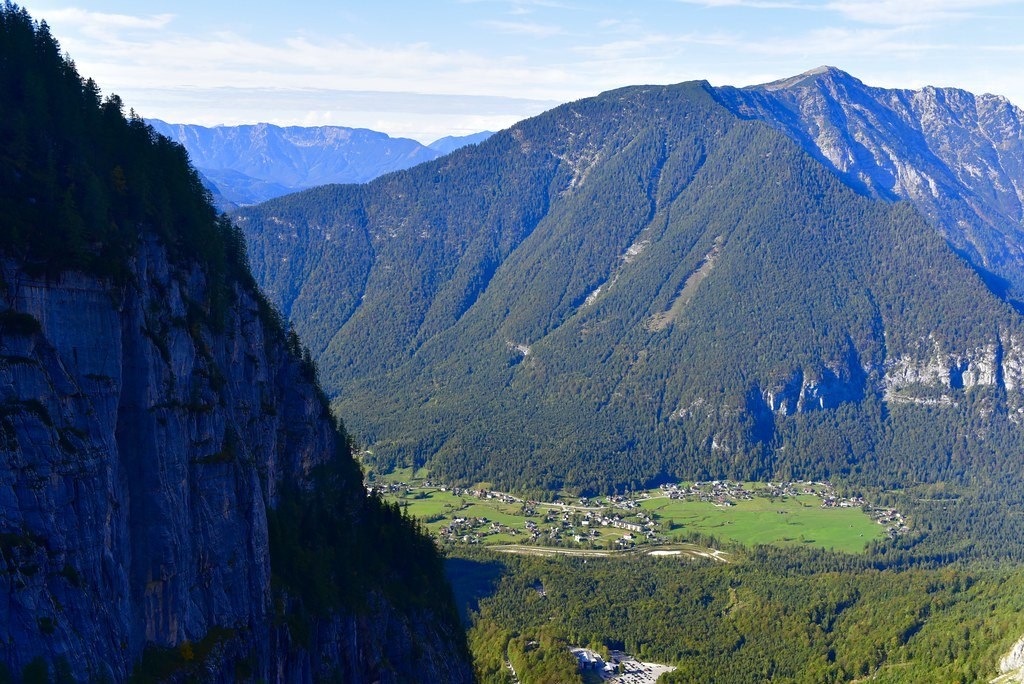
Hallstatt is beautiful but packed. Drive 20 minutes to Gosau and you get the same jagged Dachstein peaks mirrored in a still alpine lake — with almost nobody around. Sunrise at Gosausee lake is one of the most photogenic moments in the Alps, and it's completely free.
Base yourself at Gasthof Kirchenwirt by the village church — doubles run about $95-120 with breakfast — and catch Postbus 542 from Hallstatt for roughly $6. The flat 4 km loop around Vorderer Gosausee takes an hour; get there before 7am and the water stays mirror-still until the tour vans arrive.
If you'd rather wake up on the water, Gasthof Gosausee sits right on the shore with the Dachstein glacier filling the breakfast-room windows — doubles from about $115. In summer the Gosaukammbahn cable car lifts you to the Zwieselalm ridge for around $25, where an easy two-hour walk gives you both lakes and the glacier in a single frame.
2. Alberobello, Italy
A whole town of white cone-roofed trulli houses in Puglia that looks like it was built for a fantasy film. Stay overnight — day-trippers leave by 5pm and you'll have the lantern-lit lanes to yourself. Puglia is also one of Italy's cheapest regions to eat and sleep in.
Sleep inside a cone: Trullidea rents restored trulli from about $90 a night. Skip the souvenir shops of Rione Monti at midday and wander Rione Aia Piccola instead, where locals still live. A dinner of orecchiette with braised meat at a family trattoria runs about $12 — half what the main drag charges.
For the postcard overview, walk up to the Belvedere Santa Lucia terrace at dusk, when the lanterns come on across the cone roofs. Book dinner at Trattoria Terra Madre, set in a garden between the trulli — vegetable antipasti and a glass of local primitivo run about $20 — and aim for June, before the August coach-tour peak doubles the foot traffic.
READ MORE: 8 Dreamy Small Towns in Italy You Must Visit
3. Kotor, Montenegro
A medieval walled town wedged between a fjord-like bay and black mountains. Climb the 1,350 steps to San Giovanni fortress for a view that rivals anything in Norway — entry costs just a few euros. Montenegro isn't in the eurozone's priciest tier, so meals and rooms stay affordable.
Start the climb by 7am to beat both the heat and the cruise crowds that flood the Old Town by 10. Watching pennies? The Ladder of Kotor trail just outside the walls reaches the same viewpoint free. Grab burek and yogurt near the Sea Gate for a $4 breakfast first.
Save an afternoon for the bay itself: the local Blue Line bus runs to Perast for about $2, where a $10 boat shuttle crosses to Our Lady of the Rocks, an island church twenty minutes up the water. Back in town, Old Town guesthouses run $50–70 a night in June — book ahead for August, when cruise season peaks.
4. Colmar, France
Pastel half-timbered houses leaning over canals in Alsace. Visit in December for one of Europe's most magical Christmas markets, or in summer when flower boxes spill over every windowsill. It's 30 minutes from Strasbourg by train.
Head straight for Quai de la Poissonnerie for the postcard shot, then order tarte flambée for about $10 at a winstub on Rue des Marchands. Central doubles run $110-140 a night — book three months ahead for December, when the market stalls sell mulled wine at $4 a mug.
Give the Unterlinden Museum an hour — the Isenheim Altarpiece alone earns the $14 ticket — then walk Petite Venise at sunrise, before the day-trip crowds arrive from Strasbourg. If you're wine-minded, Eguisheim and Riquewihr sit 15–25 minutes away along the Alsace Wine Route, and tastings in the village cellars are usually free if you buy a bottle.
5. Ronda, Spain
A city split in half by a 120-meter gorge, with a stone bridge connecting the two cliffs. Stand on Puente Nuevo at golden hour and you'll understand why Hemingway kept coming back. Ronda is an easy day trip from Málaga or Seville.
For the classic Puente Nuevo photo you have to leave town: walk 15 minutes down the Camino de los Molinos and shoot the bridge from below. Trains from Málaga cost about $15 each way. Stay overnight if you can — rooms near the gorge run $80-100 and the bridge is floodlit after dark.
In town, the Plaza de Toros is one of Spain's oldest bullrings and charges about $10 to wander with an audio guide. Come dinnertime, join the locals at Bodega San Francisco, where most tapas cost $3–4 — the kind of eating our cheap eats in Europe guide is built on — then finish with the Paseo de Blas Infante promenade along the cliff edge.
READ MORE: 11 Magical Christmas Markets in Europe
6. Lofoten Islands, Norway
Red fishing cabins under Arctic peaks rising straight out of the sea. Come in summer for the midnight sun or in winter for northern lights over the fjords. Norway is expensive — but camping is legal almost everywhere, which makes Lofoten surprisingly budget-friendly for road-trippers.
If you take one splurge, make it a night in a red rorbu cabin at Eliassen Rorbuer in Hamnøy — around $200 — with Reinefjorden right outside the window. Everyone else: pitch a tent free, buy groceries at the Coop in Leknes, and climb Reinebringen's stone steps at midnight in June.
September is the sleeper month: you get bare-rock hiking weather, half-empty roads, and a genuine shot at the northern lights without deep-winter cold. Organized campsites like Moskenes run $15–20 a tent if you want hot showers, and the preserved fishing hamlet of Å at the road's very end is worth the last ten minutes of driving.
7. Český Krumlov, Czech Republic
A miniature Prague without the crowds: a castle on a hill, a river looping through a perfectly preserved medieval center, and beer that costs less than water. Two hours from Prague by bus, and worth staying the night.
A half-liter of the local Eggenberg lager costs about $2.50, and canoeing the Vltava loop around town runs $15-20. Climb the castle tower at opening time for about $9, then sleep at a pension inside the old town for $60-80 — mornings here are silent and golden.
For dinner, reserve a table at Krčma v Šatlavské, a candlelit tavern in a former jail alley where pork knuckle grilled over open coals runs $12–15 — it books out on summer weekends, so call a day or two ahead. Then cross the castle bridge after 10pm, when the tour groups are gone and the river is the only sound left.
8. Sintra, Portugal
Twenty minutes from Lisbon, Sintra's misty hills hide candy-colored palaces, Moorish castles, and gardens with hidden tunnels. Start with Quinta da Regaleira and its famous spiral initiation well — it looks like something out of a dream.
Take the train from Lisbon's Rossio station — about $5 round trip — and arrive when Quinta da Regaleira opens at 10am; tickets cost around $13 online. Pair it with the Moorish Castle, and save Pena Palace for a booked 9am slot another day, because its courtyards jam solid by noon.
The hop-on 434 bus loops from the station past the Moorish Castle and Pena for about $8, though walking back downhill through the wooded paths is the nicer direction. Before your train home, queue at Piriquita on Rua das Padarias for a warm travesseiro — the almond-cream pastry Sintra is quietly famous for, about $2 with an espresso.
9. Bled's secret neighbor: Lake Bohinj, Slovenia
Lake Bled gets the postcards, but locals will point you 30 minutes further to Bohinj — a bigger, wilder, emptier lake inside Triglav National Park. Swim in glass-clear water, then take the cable car up Vogel for an alpine panorama.
Buses from Bled take 40 minutes and cost about $4. The Vogel cable car runs around $30 round trip, and the short walk to Savica waterfall is $4 well spent. Swim from the quiet beach at Ukanc on the far shore, then eat lake trout in Ribčev Laz for about $15.
Sleep in Ribčev Laz or the shepherd village of Stara Fužina rather than day-tripping — guesthouse doubles run $60–80 in summer, roughly half of Bled's prices. The stone bridge by the Church of St John the Baptist frames the lake's best photo, and it's emptiest before 8am, when the mist is still sitting on the water.
10. Giethoorn, Netherlands
A village with no roads — just canals, footbridges, and thatched-roof cottages. Rent a silent electric boat and drift past gardens for an afternoon. Go early on a weekday; it's small and deserves slow travel.
Electric whisper boats rent for $25-35 an hour from docks along the Binnenpad, and an hour covers the village canals. From Amsterdam, take the train to Steenwijk for about $22, then bus 70. Be on the water by 10am — summer weekends turn the main canal into a slow-motion traffic jam.
Once you have the boat, don't just circle the village: follow the canal out onto the broad Bovenwijde lake, where you can cut the motor and drift with a picnic from the Spar shop near the north dock. On land, the Museum Giethoorn 't Olde Maat Uus shows how the peat-farming families actually lived here — about $9, and the best rainy-hour plan in town.
11. Meteora, Greece
Monasteries balanced on top of giant rock pillars, floating above the clouds at sunrise. It's one of the most surreal places in Europe and far cheaper than the Greek islands. Base yourself in Kalambaka and hike between the monasteries.
Each monastery charges about $3 to enter, and modest dress is required — wraps are lent at the door. Walk up the old monopati footpath from Kalambaka, then catch sunset from the Psaropetra viewpoint. Rooms in town start near $45, and the train from Athens costs about $20 booked ahead.
Order matters: start with Great Meteoron and Varlaam at opening time, since the tour buses reach them around 10:30, then work toward quieter Roussanou and St Nicholas Anapausas. And consider basing in Kastraki village instead of Kalambaka — the rocks loom directly over the guesthouse balconies, prices are about the same, and the trailheads start at your door.
12. Hallerbos, Belgium
For two or three weeks every April, this forest floor turns entirely purple with wild bluebells. It's free, it's 30 minutes from Brussels, and it looks completely unreal. Timing is everything — mid-April is usually peak bloom.
Entry and parking are free — leave the car at the Achtdreven lot and follow the marked bluebell loop, an easy 1.8 km. Come on a weekday before 9am for slanted light and empty paths. Car-free? The train to Halle costs about $6 from Brussels, then it's a short taxi ride.
Before you lock in a date, check the forest's official bloom updates — a warm March can pull peak purple a full week earlier, and a cold one delays it. During flowering weekends a special shuttle usually runs from Halle station, saving you the taxi. And stay on the marked paths: bluebells take years to recover where people have walked.
13. Piran, Slovenia
A tiny Venetian town on a peninsula in the Adriatic — terracotta roofs, a marble square, and sunsets over the sea, at half the price of Italy across the water. Slovenia's coast is only 46 km long, and Piran is its jewel.
Buses from Ljubljana take about 2.5 hours and cost $10-12. Pay $3 to walk the town walls for the full terracotta panorama, then eat fried calamari at the harborside fish stand for about $12. Rooms near Tartini Square run $55-80 in shoulder season — ask for a sea-facing window.
Climb the bell tower of St George's Cathedral for $3 — the view down the terracotta wedge of the peninsula is Piran's signature shot. Then do what the locals do in summer: swim off the concrete platforms below the lighthouse at the point, towel on the warm stone, and dry off over an Aperol spritz on Tartini Square for about $5.
14. Faroe Islands
Grass-roofed churches, sea cliffs with waterfalls that fall into the ocean, and roads that tunnel under fjords. The Faroes feel like the edge of the world. Summer flights connect from Copenhagen and Edinburgh.
Atlantic Airways returns from Copenhagen start around $180 if you book two months out. Rent a car — about $70 a day, and worth it, because buses are sparse — and drive to Gásadalur, where Múlafossur waterfall pours straight off the cliff into the Atlantic. Food is the budget-killer, so stock up at Bónus in Tórshavn.
Budget for the subsea tunnels too — about $15 per crossing between the main islands, billed automatically to the rental plate. Point the car at Saksun's turf-roofed church above its black-sand tidal lagoon, then loop to Tjørnuvík beach for the view of the Risin and Kellingin sea stacks. Guesthouse doubles in Tórshavn run $120–150, and July is the driest month — barely.
15. Matera, Italy
A city of cave dwellings carved into a ravine, continuously inhabited for 9,000 years. Stay in a cave hotel, eat Puglia-style for cheap, and walk the sassi at night when the whole hillside glows gold.
Cave rooms range from about $70 at simple B&Bs in Sasso Barisano to $250-plus at Sextantio Le Grotte della Civita. Cross the ravine to Belvedere di Murgia Timone at dusk for the glowing-hillside view. The local train from Bari costs about $6 and takes 90 minutes.
Start at Casa Noha, where an $8 multimedia film explains how the sassi nearly emptied in the 1950s — the whole city makes far more sense afterward. Then eat like a local: Matera bread with peperoni cruschi, Basilicata's crisp fried peppers, costs a few dollars at any bakery, while a full cave-restaurant dinner with wine runs about $25.
How to plan a hidden-gems trip
Pick one region instead of criss-crossing the continent: Puglia + Matera in Italy's south, Slovenia + Montenegro on the Adriatic, or Alsace + the Black Forest on the French-German border. You'll spend less time in transit, less money on transport, and more time actually exploring. For more route ideas, see our guide to dreamy small towns in Italy and the cheapest countries to visit right now.
A rhythm that works: three nights per base, travel days capped at three hours. Book the first two nights before you land and keep the rest flexible — outside July and August, rooms in these towns run $50-80 even booked the same week. Regional buses rarely sell out except on summer Fridays.
How to get around between the gems
The biggest surprise for first-timers is how well connected these places actually are — if you know which company to book. A few real examples: RegioJet runs Prague to Český Krumlov for $9–12, Arriva buses link Ljubljana to Lake Bohinj for about $8, and the little Ferrovie del Sud Est train trundles from Bari to Alberobello for under $6. Kotor is a scenic $15–20 bus ride from Dubrovnik, and Colmar sits 30 minutes from Strasbourg on a $9 regional train. You need patience more than money.
- Buses beat trains in the Balkans: FlixBus and local carriers cover Slovenia, Montenegro, and the Czech Republic cheaply and reliably — most hops cost $8–20.
- Trains win in France, Austria, and Italy: regional fares are fixed-price, so there's no penalty for deciding the night before.
- Rent a car only where it earns its keep: the Faroe Islands, Lofoten, and rural Puglia. Expect $40–70 a day plus fuel, and split it between travel companions.
Sample budget breakdown: one week on the Adriatic
Here's what a realistic week covering Piran, Lake Bohinj, and Kotor looks like per person, traveling as a pair in shoulder season:
- Accommodation: $280 — guesthouses and private rooms at $40–45 a night each.
- Food: $175 — bakery breakfasts ($4), burek or pizza lunches ($5–7), and proper seafood dinners ($15–20).
- Transport: $85 — the Ljubljana airport shuttle, two intercity buses, and local ferries.
- Sights and activities: $60 — the Vogel cable car ($30), Kotor fortress climb ($10), plus museums and a kayak rental.
- Total: roughly $600 for the week — less than three nights would cost you in Venice, just across the water.
If you're piecing together a longer route, our guide to seeing Europe on a budget breaks down daily costs country by country.
Common mistakes to avoid
- Day-tripping everything. Alberobello, Český Krumlov, and Matera transform after 6pm when the buses leave. Staying the night costs $50–80 and doubles the experience.
- Assuming cards work everywhere. Small guesthouses in Montenegro and rural Greece still prefer cash. Withdraw from bank ATMs and skip the blue Euronet machines, whose exchange rates are dreadful.
- Overpacking the itinerary. Three bases in ten days beats seven. Every travel day quietly eats half a day of actual exploring.
- Ignoring the festival calendar. A local wine or chestnut festival can double room prices overnight — but it can also be the best night of your trip. Check the dates either way.
- Skipping travel insurance because the trip is cheap. A twisted ankle on Kotor's fortress steps costs the same to treat whether your room was $40 or $400.
Frequently asked questions
Do I need to speak the local languages?
No — English works in tourist-facing businesses everywhere on this list. That said, learning hello and thank you in Slovene, Czech, or Greek takes five minutes and gets you noticeably warmer service in small towns, plus the occasional free rakija.
Which hidden gem is best for a first solo trip?
Slovenia, without hesitation. It's compact, extremely safe, and affordable, and the bus network means you never need a car — Ljubljana, Bled, Bohinj, and Piran all connect in under two hours. Kotor and Český Krumlov are close runners-up.
Are these places doable with kids?
Most of them, yes. Gosau, Bohinj, and Giethoorn are practically built for families — flat lakeside walks, swimmable water, and boat rides. The 1,350 fortress steps in Kotor and Ronda's cliff edges need more caution with little ones.
How far ahead should I book?
For July and August, lock in rooms 2–3 months out — these towns are small and the good guesthouses sell first. In shoulder season you can often book a week ahead. Flights are a different game entirely; our cheap flights guide covers the booking windows that actually save money.
Can I combine several of these in one two-week trip?
Yes — the Adriatic run is the proven route: fly into Ljubljana, loop Bled and Bohinj, bus down the coast to Piran, cross into Croatia, and finish in Kotor before flying out of Podgorica or Dubrovnik. Two weeks, five knockout stops, no backtracking, and total transport costs under $100. The Alps version (Gosau, Hallstatt, Bohinj, Colmar by rail) works nearly as well in summer.
What's the single most underrated pick on this list?
Piran. It gets a fraction of the coverage of Kotor or Sintra, yet you can swim off the rocks below a Venetian bell tower, eat grilled sea bass for $16, and sleep a two-minute walk from the main square for $55. Shoulder season there feels like a secret.