The best moments of most trips are free — you just have to know where to look. This is our master list of twenty things that cost nothing (or nearly nothing) in almost any city on Earth, and none of them feel like settling. Use it in Paris or Bangkok, Mexico City or Prague: build your days around three or four of these, spend real money on one paid highlight, and a $150 city day quietly becomes a $40 one. Pair it with our budget travel hacks and the savings compound fast.
1. Take the free walking tour
Nearly every city runs tip-based walking tours — two to three hours with a sharp local guide. Tip $5–10 and you've had a better orientation than any $60 bus tour, plus restaurant recommendations you'll use all week.
GuruWalk and the big free-tour networks list departures in hundreds of cities — reserve online, since popular routes cap group size. Take the 10am slot, not the 2pm one: you get the guide's full energy plus the whole day to act on their tips. Afterward, ask the guide where they eat; that two-minute chat routinely replaces a $25 food tour.
2. Hit museum free days
World-class museums open free on a schedule: many Paris museums on the first Sunday of the month, London's majors always, Washington's Smithsonians every day. Check the official sites before booking anything — the timing can shape your whole itinerary.
Calendar specifics worth stealing: the Louvre runs free first-Sunday openings in the winter months, Madrid's Prado is free the last two hours of every evening, and Vienna and Berlin cluster free hours around national holidays. On free days, arrive 30 minutes before opening and pick two rooms to love properly instead of sprinting the whole building with the crowd.
READ MORE: How to Travel on $30 a Day
3. Find the free viewpoint
Skip the $30–40 observation deck. Almost every city has a free rival: a cathedral hill, a rooftop terrace on a shopping mall, a park with skyline views. The view is the same; the champagne bar is the only thing missing.
Proven free rivals: the Printemps rooftop in Paris, Gianicolo hill in Rome, the Bunkers del Carmel above Barcelona, Letna park over Prague's bridges. Department stores are the reliable hack worldwide — top-floor terraces with skyline glass and a free elevator. Arrive 40 minutes before sunset to catch the light in both directions, and check hours; mall rooftops close earlier than parks.
4. Graze the food markets
Central markets are free theater: produce pyramids, fishmongers shouting, samples offered. Entry costs nothing, and lunch — a $3 empanada, a $2 banh mi — costs less than the museum café coffee.
The best theater hours are 8 to 10am, when restaurant buyers haggle and the displays are still architecture. Named starters: Barcelona's La Boqueria before the 11am tour groups, Budapest's Great Market Hall, Mexico City's Mercado de Coyoacan, Hanoi's Dong Xuan. House rule: buy something small every few stalls — a plum, a pastry — and you're a customer, not a photographer.
5. Claim a city park
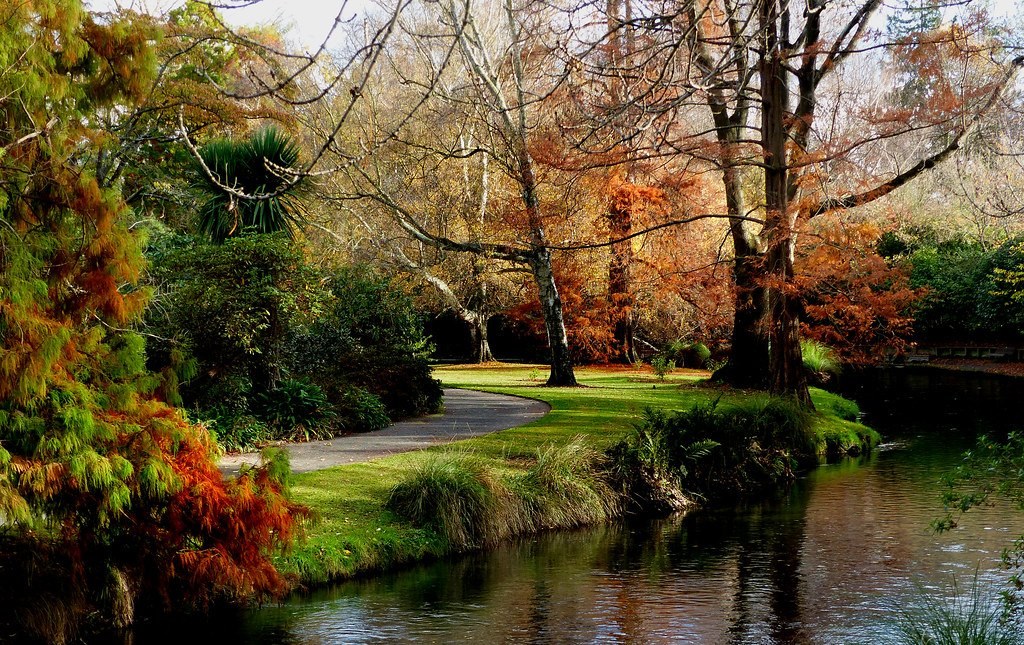
Great parks are the living rooms of great cities. A borrowed hour in Retiro, Central Park, or Lumpini with market snacks is the same afternoon locals pay nothing for — join them.
Upgrade the hour with the park's own free programming: Retiro stages weekend puppet shows, Central Park runs free summer concerts and Shakespeare, and Lumpini hosts open-air aerobics at 6pm that anyone may join. Weekday morning is the locals' park; Sunday afternoon is the show. A $3 market picnic converts any bench into a reservation with the best view in town.
READ MORE: 15 Budget Travel Hacks That Save Real Money
6. Chase free festivals and events
Check the city's official events calendar for your dates: open-air cinema, national holidays, food festivals, fireworks. Some of the best travel nights of your life are scheduled, free, and listed a week in advance.
Beyond the official calendar, check the three sources locals use: the tourism office's social feeds, posters in café windows, and the hostel whiteboard. Summer means free open-air cinema in most European capitals; autumn brings harvest and wine festivals with free entry and $1–3 tastings. National days deliver parades and fireworks — and closed museums, so plan that swap deliberately.
7. Step into churches and temples
Most of the world's most beautiful buildings are free to enter: Gothic cathedrals, golden Buddhist temples, tiled mosques. Dress respectfully, go at opening time for empty naves, and donate a dollar if there's a box.
The etiquette that keeps it welcome: shoulders and knees covered — carry a scarf — silence during services, and no flash. Timing is everything: Bangkok's temples are calmest at 8am, and Europe's cathedrals empty of tour groups after 5pm. The famous landmark may charge admission, but the second-most-beautiful church in any town is almost always free and nearly empty.
8. Walk the street art neighborhoods
Every city has a district where the walls are the gallery — Berlin's Kreuzberg, Lisbon's LX Factory, Bogota's La Candelaria. Look up a self-guided route or join a tip-based mural tour ($5–8) and you've got a museum with no walls.
Free apps like Street Art Cities map thousands of murals with walking routes attached, so download the city before setting out. Go on a weekday morning for unobstructed photos, and pair the walk with the district's cheap eats — mural neighborhoods and $4 lunch counters are reliable roommates. The tip-based tours fund working artists directly, which is the right pocket for your $5–8.
9. Duck into the grand library
Public libraries are free palaces: New York's Rose Reading Room, Stockholm's rotunda, Vienna's stately halls. Free wifi, free bathrooms, stunning architecture, and a quiet hour out of the rain — premium by any definition.
Practical notes: the grandest reading rooms sometimes require a free visitor pass from the front desk — ask; it takes two minutes — and bags may pass through a check. Add Helsinki's Oodi, with its top-floor terrace, to the list. Rainy-day bonus: most great libraries run free exhibitions, and the in-house café is usually the cheapest good coffee in the district.
10. Find the local sunset spot
Every city has one — the bridge, the steps, the harbor wall where locals gather at golden hour. Ask your hostel staff where they watch it. Bring a $4 bottle of wine and you've matched any rooftop bar's $18 cocktail view.
Spots worth planning around: Primrose Hill in London, the Miradouro da Senhora do Monte in Lisbon, the west bank of Bangkok's river, Warsaw University's free rooftop garden. Arrive 30 minutes early to claim the good ledge and stay 20 past the drop — the afterglow empties the crowd and improves every photo. A corner-shop bottle completes the ritual for $4.
11. Wander a university campus
Historic campuses — Coimbra, Oxford, Bologna — are open-air museums with courtyards, cloisters, and cheap student cafés. You get centuries of architecture plus a $4 canteen lunch nobody tells tourists about.
Most historic campuses open their courtyards free from morning to dusk, with only the famous interiors ticketed — Oxford charges for a handful of colleges while Coimbra's river-view terraces cost nothing. Find the student canteen for the $4 lunch, then check the notice boards: campuses host free lectures, rehearsals, and exhibitions that never reach the tourist listings, in term time especially.
12. Catch free concerts and rehearsals
Churches host free organ recitals, conservatories open rehearsals to the public, and summer bandstands program entire seasons. A free Bach hour in a candlelit church beats most $50 shows.
Finding them is a two-search job: the city plus "free lunchtime concert," and the local conservatory's events page. London's St Martin-in-the-Fields runs free lunchtime recitals several days a week, Vienna's music students perform constantly, and many Italian churches rehearse with the doors open. Arrive 15 minutes early, sit mid-nave where the sound gathers, and drop a couple of dollars in the box.
13. Loiter in five-star hotel lobbies
Grand hotel lobbies are semi-public living rooms: marble, chandeliers, perfect air conditioning. Walk in like you belong, rest twenty minutes, use the immaculate bathroom. A $6 lobby coffee is the cheapest luxury upgrade in travel.
The best lobby cities are the grand-hotel capitals — Singapore, Istanbul, New York — where the marble was built to impress the public in the first place. Rules of the game: dress one notch up, walk with purpose, and aim for mid-afternoon when lobbies sit emptiest. The concierge will answer a polite directions question from anyone; it's the most underused free resource in travel.
14. Ride the scenic public transit
The Staten Island Ferry is free and sails past the Statue of Liberty. Hong Kong's Star Ferry is $0.50; Lisbon's Tram 28 about $3.50. Public transit on a scenic route is the sightseeing cruise, minus the $40 ticket.
More routes for the list: Istanbul's commuter ferries cross between continents for under a dollar, Budapest's tram 2 hugs the Danube past Parliament for about $1.20, and Venice's vaporetto Line 1 runs the whole Grand Canal for less than a tenth of a gondola. Sit on the water side, ride at golden hour, and stay aboard for the return — nobody checks.
15. Walk the waterfront
Rivers, harbors, and beaches are the one great free attraction cities can't gate. Promenades are engineered for exactly the stroll tour buses charge for — go at dusk when the lights come on.
The move is to walk out and ride back: Lisbon's riverfront from Cais do Sodre to Belem is a two-hour stroll past monuments that cost nothing from the outside, with a cheap tram return. Harbor cities also stage free shows on schedule — Hong Kong's light show at 8pm nightly, San Francisco's fog swallowing its bridge on cue. The benches are front-row seats.
16. Tour a brewery, distillery, or factory
Many producers run free or nearly free tours that end in tastings — breweries, chocolate makers, porcelain workshops. Even paid versions ($5–10) deliver an hour of entertainment plus samples worth the ticket.
Book through the producer's own site, never a tour aggregator — makers charge little or nothing while resellers repackage the same hour for $40. Reliable bets: Czech breweries, Dutch cheese farms, Swiss chocolate visitor centers, and the sherry bodegas of Jerez at $5–10 with generous pours. Weekday afternoon slots go unfilled, and small groups get longer tastings at the end.
17. Explore the historic cemetery
It sounds odd until you've done it: Père Lachaise in Paris, Recoleta in Buenos Aires, Highgate in London. Sculpture, famous residents, total silence in the city's heart — among the most atmospheric free walks anywhere. It's a favorite in our Paris itinerary for exactly that reason.
Grab the free map at the gate lodge — Père Lachaise's marks Wilde, Piaf, and Morrison, saving an hour of wandering — and go on a weekday morning for the silence. Some run guided options: Highgate's west side requires a tour while the east is a few dollars self-guided, and Recoleta offers free volunteer-led walks on certain days. Dress and speak as if attending; you technically are.
18. Visit parliaments and city halls
Many seats of government run free tours or public galleries — London's Parliament debates, Berlin's Reichstag dome (free, book ahead), grand city halls across Europe. Marble, history, and security theater included.
Booking is the whole game: Berlin's Reichstag dome is free but wants online registration days ahead in summer, while UK parliamentary debates cost nothing via the public-gallery queue on sitting days. City halls surprise more — Stockholm's, home of the Nobel banquet, tours cheaply, and many European halls open free on national days. Bring your passport; government doors check ID.
19. Get lost in one neighborhood
Pick the district guidebooks skim, put the phone away, and walk for two hours. The unplanned wander — bakeries, courtyards, conversations — is the thing every traveler remembers, and it's especially rewarding if you're exploring on your own; our guide to the best solo travel destinations is built on cities that repay it.
Method makes the wander work: pick a district one metro stop past the guidebook boundary, set a two-hour window, and follow one rule — turn toward whatever smells like baking. Sit somewhere ordinary for a $1.50 coffee and watch the street run itself. If you need a thread, hunt one motif — doorways, tilework, corner bakeries — and let it pull you along.
20. End in the main square at night
After the day-trippers leave, the showpiece square belongs to locals: kids chasing pigeons, musicians, floodlit facades. Ten at night in a great square is the postcard, free, with better lighting than noon ever offers.
The hour matters: ten at night is the sweet spot in Southern Europe, nine further north — after the dinner rush, before closing. Bring dessert: a $2 gelato in Rome, a cone of roasted chestnuts in winter Madrid, and claim the fountain steps. The buskers playing at this hour are the good ones, and a dollar in the case is the whole ticket price.
How to build a free-first day
The list works best with a structure. Morning: take the free walking tour first, not last — it's the multiplier, because a good guide marks your map with a week of free targets you'd never find alone. Midday: markets and parks, when the light is harsh anyway and paid attractions are at their most crowded — graze a $4 market lunch while the tour groups queue for $25 museum slots. Late afternoon: today's one paid anchor if there is one, booked for the final entry window when the crowds thin. Golden hour: the free viewpoint or the waterfront, timed deliberately. Night: the main square, floodlit and local again. Run that pattern and a full city day lands at $15–25 including food — and the paid things you do choose hit harder, because they're surrounded by texture instead of queues. Where you point the trip amplifies all of it: this exact playbook in Europe's cheapest cities produces $35 days with castles in them.
Common mistakes that make free things expensive
- Taking a $12 taxi to a free viewpoint. Transit or your feet are part of the experience — the walk through non-tourist streets is usually the better half.
- Sitting down at the café on the famous square you came to see for free. The $9 coffee is the square's entry fee in disguise. Stand, stroll, or bring your own from a side-street bakery.
- Confusing "free entry" with "free everything." Free museums monetize brilliantly through cafés and gift shops; eat before you go in.
- Under-tipping the free walking tour. The guides live on tips, and $5–10 per person is the honest price — still the best value in any city. Planning to slip away at the end is the one move that actually breaks these tours for everyone.
- Not checking the calendar. Free-day crowds are real — the Louvre's free Sundays are legendary chaos — and some free sights close Mondays like their paid cousins. Five minutes of checking beats an hour outside locked doors.
The cities where free goes furthest
Some cities are practically built for this list. London is the free capital of the world: the British Museum, Tate Modern, the National Gallery, and the Natural History Museum all cost nothing, ever, which single-handedly rescues an otherwise brutal budget. Washington, DC matches it with the Smithsonians and the monuments. Rome is an open-air free museum where the Pantheon, every basilica, and the Trevi Fountain charge nothing. Mexico City layers free Diego Rivera murals, Chapultepec Park, and Sunday street-closure cycling over $1.50 tacos. And Hong Kong is the sleeper pick: the $0.50 Star Ferry, free Peak trails, temple after temple, and a nightly harbor light show, all in a city people wrongly assume is unaffordable. When the budget is tight, choosing a free-rich city is worth more than every other trick combined.
Frequently asked questions
Are city tourist passes ever worth buying?
Only if you'd genuinely visit three or more of the included paid attractions anyway — do the arithmetic against door prices before buying. And note the pass's hidden bias: it pressures you to skip exactly the free things on this list to "get your money's worth." For travelers mixing free-first days with one paid anchor, the pass usually loses.
Do free things work with kids?
Better than paid ones, mostly — parks, ferries, markets, street art, and squares at night are what children actually enjoy, and nobody has ever meltdown-proofed a $30 museum ticket. The scenic transit ride is the reliable winner: to a five-year-old, the Star Ferry is the attraction.
What about the off-season?
Free things get better in the off-season, not worse: empty churches, local-only squares, sunset spots without the crowd. Winter adds its own free layer of holiday lights and decorated streets, and pairs beautifully with the tactics in our guide to eating cheap in Europe once patio season ends.
Is it awkward to use hotel lobbies and libraries if I'm not a guest or member?
No. Libraries are public by definition, and grand hotels budget for lobby foot traffic — the unwritten contract is that you dress reasonably, behave like a guest, and occasionally buy the $6 coffee. Twenty quiet minutes of marble and air conditioning harms no one, and the staff genuinely do not mind.