Two days in Paris will never be enough — that's the point. But a well-planned 48 hours gets you the Eiffel Tower at sunrise, the Louvre without losing your mind, Montmartre's cobbled hills, and enough butter-laminated pastry to justify the flight. This itinerary groups the city by neighborhood so you walk more and metro less, with real prices and the booking deadlines that matter.
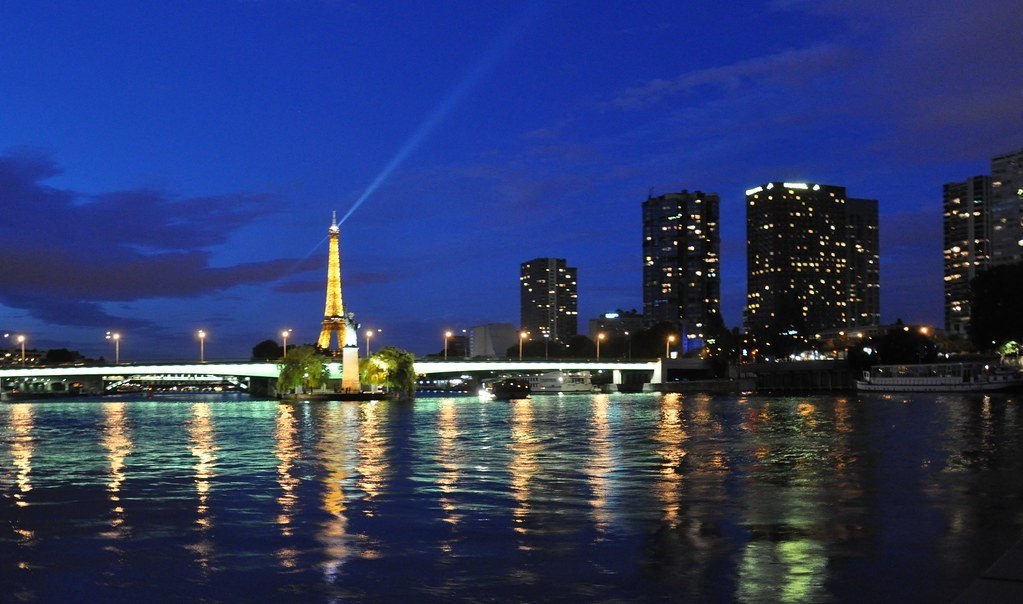
Day 1: The Icons — Eiffel Tower, the Louvre & the Seine
Morning: Eiffel Tower & Trocadéro
Watch the tower catch first light from Trocadéro's terrace around 7:30am — the classic photo, minus the crowds. Then cross the river and go up: the summit lift runs about $38, or take the stairs to the second floor for $12 and better views than you'd expect (the stairs line moves three times faster, too). Breakfast afterward on Rue Cler, one of the city's loveliest market streets: a croissant is $1.60 and a café crème about $4.50 if you stand at the bar. Short on time? Skip going up entirely and picnic on the Champ de Mars lawn instead — the tower is better looked at than looked from.
Afternoon: The Louvre, done right
Enter via the Carrousel entrance with your timed ticket (about $24) and pick one wing — the Denon wing gets you the Mona Lisa, Winged Victory, and the Grand Gallery in two focused hours. Trying to "do" the Louvre is how two-day trips die; 35,000 works will still be there next time. Decompress in the Tuileries Garden with a green chair by the fountain, then duck into Palais-Royal's striped Colonnes de Buren, one of the city's favorite photo spots (free). If you're museum-hungry, the two-day Paris Museum Pass ($70) covers the Louvre, Sainte-Chapelle, the Arc de Triomphe, and 50+ others, and pays off at three sights.
Evening: golden hour on the Seine
Walk the riverbank to Pont Alexandre III, the most extravagant bridge in Paris, as the lamps flicker on. A one-hour Seine cruise costs about $18 and is genuinely worth it after dark, when the Eiffel Tower sparkles for five minutes on the hour. Dinner in Saint-Germain: a classic steak-frites bistro runs $25–35, or grab a street crêpe for $7.
Day 2: Montmartre, Le Marais & the Latin Quarter
Morning: Montmartre before the crowds
Take the metro to Abbesses and climb through waking streets to Sacré-Cœur (free, opens 6:30am) for a view over all of Paris. Wander Place du Tertre as the portrait artists set up, then find La Maison Rose and the vine-covered Rue de l'Abreuvoir — Montmartre's two prettiest corners, best photographed before 10am.
Two extras reward the early start: the Montmartre funicular (one metro ticket, about $2.20) spares your knees the steepest staircase, and the Wall of Love in the little square beside Abbesses station spells "I love you" in 250 languages — free, and empty before 9am. Breakfast on Rue des Abbesses runs $3–5 for coffee, and the boulangeries here have won the city's best-baguette prize more than once; a pain au chocolat costs about $2 and tastes like the reason you came.
A budget note for the morning: everything on this hill is free except what you eat. Politely skip the $15 "portrait" hustle at Place du Tertre unless you genuinely want one — in which case agree the price before the pencil moves — and dodge the bracelet sellers on the Sacré-Cœur steps by keeping hands in pockets and walking on. The fabric shops around Marché Saint-Pierre at the hill's base are a beloved local institution with a fine view back up at the basilica.
Afternoon: Le Marais & the islands
Metro down to the Marais for the best cheap lunch in Paris: the famous falafel pitas on Rue des Rosiers cost about $10. Browse vintage shops, rest under the arcades of Place des Vosges (the city's oldest square), then cross to Île de la Cité for Sainte-Chapelle ($14) — 1,113 stained-glass panels that turn the whole chapel into a kaleidoscope. Notre-Dame, gloriously restored, is free to enter next door (reserve a timed slot on the app to skip the line). On your way between the islands, a two-scoop cone from the famous glacier on Île Saint-Louis runs $6 and is worth every step of the detour.
Evening: the Latin Quarter & one last view
Browse the shelves of Shakespeare and Company, the storied English bookshop facing Notre-Dame, then wander the Latin Quarter's medieval lanes for dinner — fixed-price menus around $22–28, and Rue Mouffetard has the best of them. For a finale, climb the Arc de Triomphe at sunset ($17): it's open until 10:30–11pm, the line is a fraction of the Eiffel Tower's, and it frames the tower glittering down the Champs-Élysées — which is exactly how you want to remember Paris.
READ MORE: Hidden Gems in Europe Worth the Detour
What do 2 days in Paris cost?
- Budget: $90–130/day — a simple hotel or hostel in the 10th or 11th, bakery breakfasts, picnic lunches, one paid attraction a day.
- Mid-range: $160–260/day — a boutique hotel in a central arrondissement, bistro dinners, all the big sights booked ahead.
- Splurge: $400+/day — a Saint-Germain hotel with a view, a Michelin lunch, and a champagne Seine cruise.
Paris pairs beautifully with a longer European trip — see our favorite hidden gems in Europe for where to go next, or visit in December when the city joins the continent's magical Christmas market season.
A worked mid-range example: a $220-a-night Marais hotel shared two ways, $24 Louvre, $12 Eiffel Tower stairs, $14 Sainte-Chapelle, $17 Arc de Triomphe, $18 Seine cruise, about $12 in metro fares, and $70 a day on food lands the whole 48 hours near $650 per person. Trim the paid views to one, move lunches to bakeries, and the identical route drops under $450 without losing a single neighborhood.
Two savings worth knowing before you land: EU residents under 26 enter the Louvre, Orsay, and Sainte-Chapelle free with ID, and everyone enters the Louvre free on the first Friday evening of the month after 6pm — expect company. If your list runs to three paid sights or more, the two-day Museum Pass ($70) wins on price, and its skip-the-line effect is worth nearly as much as the entry fees themselves in July and August.
Where to stay for a two-day trip
With 48 hours, location is worth more than luxury. Le Marais (3rd and 4th arrondissements) is the sweet spot — walkable to the islands, the Louvre, and half this itinerary, with boutique hotels from $180–250. Saint-Germain (6th) delivers the classic Paris postcard at a premium ($250–400). Budget travelers do better in the 10th and 11th near Canal Saint-Martin: simple hotels and hostels run $90–140, the food scene is arguably the city's best, and the metro puts you ten minutes from everything. Skip hotels around the Champs-Élysées (overpriced, dead at night) and anything directly beside a major train station. Wherever you land, confirm the room has air conditioning for June through August — many charming older buildings don't, and Paris heat waves are real.
Booking rhythm matters here: the good-value rooms in the Marais and the 11th sell out four to six weeks ahead for spring and fall weekends, while August often prices lower than June because Parisians themselves have left town. Check the room size before committing — under 15 square meters is common and perfectly fine for two days — and favor addresses within a five-minute walk of an interchange station like République or Hôtel de Ville, which multiply your metro options in every direction.
Common tourist mistakes in Paris
- Skipping the "bonjour." Entering any shop or cafe without a greeting reads as rude, and service cools accordingly. One word fixes the famous Parisian frostiness about 80% of the time.
- Falling for the petition and gold-ring tricks. Around Sacré-Cœur and the Eiffel Tower, clipboard petitions and "found" rings are distraction scams. Keep walking — and keep your phone zipped on metro line 1, the pickpockets' favorite.
- Paying for water and bread. "Une carafe d'eau" brings free tap water at any restaurant, and bread is included. Bottled water on the bill is a choice you didn't have to make.
- Planning museums for the wrong day. The Louvre closes Tuesdays; Orsay and Versailles close Mondays. Two-day trips have died on this rock.
- Taking an unmarked "taxi" from the airport. Official taxis charge a flat $60–65 from CDG to the Right Bank; anyone approaching you inside the terminal is not one.
How to eat brilliantly on a budget
Paris rewards strategy more than spending. The prix fixe lunch is the city's great bargain: bistros serving $60 dinners offer nearly identical two-course lunch menus for $20–26. Bakeries handle breakfast ($1.60 croissants) and lunch — a jambon-beurre baguette runs $6–8, and the "formule" adds a drink and dessert for a couple of dollars more. Market streets like Rue Mouffetard, Rue Cler, and Rue des Martyrs assemble world-class picnics: cheese, a baguette, fruit, and a $9 bottle of perfectly decent wine, eaten on the banks of the Seine at golden hour. That's not a compromise — it's what Parisians themselves do all summer. For tricks that work across the continent, our cheap eats in Europe guide goes deeper.
Frequently asked questions
Do I need to speak French?
No — but you need to start in French. "Bonjour, parlez-vous anglais?" opens doors that leading with English keeps shut. In tourist areas nearly everyone speaks functional English and appreciates the two seconds of effort.
How does tipping work?
Service is legally included in every restaurant bill. Parisians round up or leave $1–3 for good service; nobody expects 20%, and no one will chase you over leaving nothing.
Is Versailles worth squeezing into two days?
Not on this trip. The palace deserves a half day minimum (about $24 entry, 45 minutes each way on the RER C) and would cost you Montmartre or the Marais. Save it as the anchor of a future third day — Paris rewards return visits like nowhere else.
Is Paris safe at night?
The central districts in this itinerary stay busy and well lit late, and evening walks along the Seine are part of the experience. Standard big-city rules apply: mind your phone on the metro, skip empty station platforms after midnight, and take an official taxi or rideshare ($12–20 across town) rather than a long walk through areas you don't know.
What if it rains?
Paris has an entire indoor city waiting: the covered passages — Galerie Vivienne and Passage des Panoramas are the loveliest — plus the free Musée Carnavalet for Paris history, and the Café de la Paix school of watching the world from behind glass. A rainy afternoon in a $4.50 café crème is not a ruined plan; it's arguably the most Parisian activity on this list.
Does this itinerary work with kids?
Surprisingly well. Swap the Louvre afternoon for the Jardin du Luxembourg's sailboat pond ($4 to rent one) and the carousel at the foot of Sacré-Cœur, keep the Seine cruise (children ride for about $9), and lean on street crêpes as the universal mood-repair tool. The stair climbs at the Arc de Triomphe are the only real test of small legs.